Politics
Unraveling the Testimony: Bill Clinton’s Denial of Wrongdoing in House Epstein Probe

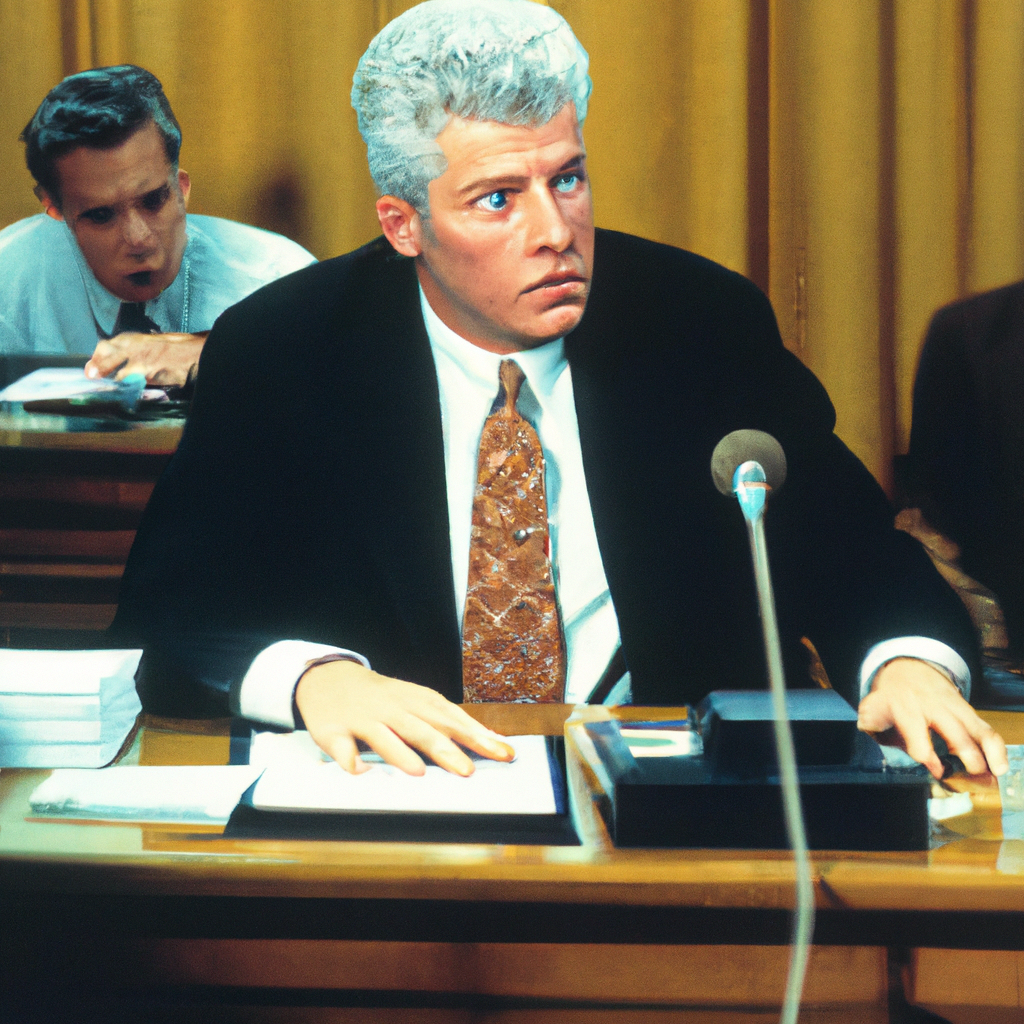
Bill Clinton denies wrongdoing in connection to Jeffrey Epstein, admits to visiting his island and flying on his plane, offers cooperation in the investigation. Critics question his credibility and raise suspicions about his ties to Epstein. Clinton's involvement in the inquiry brings attention to his past association with the disgraced financier.
Former President Bill Clinton recently testified in the House Epstein probe, where he adamantly denied any wrongdoing in relation to his relationship with convicted sex offender Jeffrey Epstein. This testimony has shed light on Clinton's involvement in the ongoing investigation into Epstein's alleged crimes, sparking speculation and further scrutiny. In this article, we will delve into the details of Clinton's testimony, provide insights into his connections with Epstein, and analyze the implications of his statements in the House inquiry.
1. Bill Clinton's Testimony: Denial of Wrongdoing in House Epstein Probe
During his testimony in the House Epstein probe, former President Bill Clinton adamantly denied any wrongdoing in relation to his association with convicted sex offender Jeffrey Epstein. Clinton stated that he had traveled with Epstein on his private plane, but he emphasized that he was not aware of Epstein's criminal activities and did not partake in any illegal behavior himself.
Clinton also stated that he had visited Epstein's private island, but he maintained that he never saw or participated in any inappropriate or illegal activities during these visits. He reiterated that he was not aware of the extent of Epstein's crimes and expressed regret for having associated with him in the past.
Despite facing scrutiny and criticism for his connections to Epstein, Clinton maintained his innocence and asserted that he was fully cooperative with the House probe. He emphasized the importance of holding Epstein accountable for his crimes and expressed willingness to assist in any way possible to ensure justice for the victims. Clinton's testimony in the House Epstein probe serves as a powerful statement of denial and a reaffirmation of his commitment to transparency and accountability.
2. Insight into Bill Clinton's Involvement with Jeffrey Epstein Investigation
Bill Clinton's involvement in the investigation of Jeffrey Epstein has been heavily scrutinized, especially given his past connections to the convicted sex offender. While Clinton has denied any wrongdoing in relation to Epstein, there are still lingering questions surrounding the nature of their relationship.
Clinton has acknowledged flying on Epstein's private jet, known as the "Lolita Express," multiple times for humanitarian and philanthropic purposes. However, reports suggest that Clinton flew on the plane more frequently than he initially disclosed, raising suspicions about the true extent of their interactions.
Additionally, Clinton's friendship with Ghislaine Maxwell, Epstein's alleged accomplice, has also come under the spotlight. Maxwell has been accused of aiding Epstein in his sex trafficking operations, and her close ties to Clinton have fueled speculation about their involvement in any illicit activities.
Overall, while Clinton maintains his innocence in the Epstein scandal, his connections to the disgraced financier continue to be a point of interest in the ongoing investigation.
3. Analysis of Bill Clinton's Testimony in House Inquiry into Epstein's Alleged Crimes
Bill Clinton's testimony in the House inquiry into Epstein's alleged crimes has brought a renewed focus on the former president's connection to the disgraced financier. During his testimony, Clinton maintained his innocence, stating, "I did nothing wrong" and denying any involvement in Epstein's illegal activities.
However, some critics have raised questions about the credibility of Clinton's testimony, pointing to his past association with Epstein and his multiple trips on Epstein's private jet, dubbed the "Lolita Express." These critics argue that Clinton's close relationship with Epstein raises suspicions about the extent of his knowledge or involvement in Epstein's alleged sex trafficking operation.
Additionally, Clinton's testimony could potentially have political ramifications, as it comes at a time when the #MeToo movement has highlighted the issue of powerful men abusing their positions of authority. The House inquiry into Epstein's alleged crimes has already implicated several high-profile individuals, and Clinton's involvement could further fuel public calls for accountability and justice.
Overall, the analysis of Bill Clinton's testimony in the House inquiry into Epstein's alleged crimes highlights the complexities and controversies surrounding this case. While Clinton maintains his innocence, the questions and doubts raised by his past association with Epstein raise important considerations about his potential role in the investigation.
In conclusion, Bill Clinton's testimony in the House Epstein probe has shed light on his involvement with Jeffrey Epstein and his continued denial of any wrongdoing. While some questions remain unanswered, it is clear that Clinton is adamant in his stance that he did nothing illegal or improper in his interactions with Epstein. As the investigation continues, it will be important to carefully consider all the evidence and testimony presented in order to uncover the truth behind Epstein's alleged crimes.

Politics
Canadian Police chiefs: No ‘imminent threat’ to Canada amidst fallout of U.S. attack on Iran
Canadian police have stated that there is currently no immediate danger to Canada following the consequences of the United States' strike on Iran. This information was updated on March 1, 2026 at 4:01PM EST.
Date of publication: March 01, 2026 at 11:57AM EST
Trump has announced a joint U.S.-Israel attack on Iran, referring to it as "major combat operations." The prime minister of Canada, Carney, expressed explicit support for this attack, which some see as a significant change in targeting compared to previous attacks. Ham characterized the U.S. attack on Iran as a "war of choice," while Ret. Gen. suggested that Canada would play a limited role in the Middle East conflict following the attack. Despite ongoing conflict in Iran, Canadian police chiefs have stated that there are currently no immediate threats to Canada or its citizens.
The Canadian Association of Chiefs of Police has advised Canadians to stay alert, but has mentioned that there are currently no alerts indicating issues as the airstrikes in Iran continue for a second day.
History has shown that times of political conflict can lead to extremist groups, individuals driven by hate, or other threats taking advantage of the situation to provoke violence fueled by hate. Despite the lack of a particular threat currently, being alert and reporting any suspicious activity early on are key for preventing such incidents.
Over the weekend, the United States and Israel carried out a significant military operation in the Middle East, resulting in the death of Supreme Leader Ayatollah Ali Khamenei.
The police leaders have issued a statement regarding concerns raised by experts about potential transnational repression. There are worries that the Islamic Republic might target individuals within the Iranian diaspora as a form of retaliation.
Located to the north of Toronto, a boxing gym belonging to a well-known Iranian Canadian activist was targeted in a shooting incident during the night.
Salar Gholami, the main person in charge of organizing large protests in Iran, has reported that his gym in Thornhill, Ontario was shot at with 17 bullets. This gym has been a central location for planning and coordinating solidarity marches for Iran.
He expressed that the windows were shattered and bullets had pierced through the walls, reaching the concrete. According to spokesperson Pouria Afkhami, he mentioned that this indicates that the area is no longer secure for Canadians.
According to Gholami, he thinks his gym was singled out because of his advocacy work, and he claimed that those behind the shooting are associated with the Islamic Republic. He mentioned that he receives frequent threats against his safety.
Authorities are currently looking into a shooting incident that took place at a business location in the region. However, the reason behind the shooting has not yet been determined.
During Khamenei's leadership, Iran was known for responding aggressively to Western countries through cyberattacks targeting important infrastructure, harassment online, and attempts to assassinate individuals.
According to Thomas Juneau, an assistant professor at the University of Ottawa's school of public and international affairs, Canada should pay attention to transnational repression and the persecution of Iranian-Canadian dissidents, as well as human rights and democracy advocates.
Juneau stated that in order to survive at home, it is important to counter any activism against the regime happening abroad. It is unlikely that these two aspects can be separated.
According to Sajjan Gohel, who is the director of international security at the Asia Pacific Foundation, Iran may potentially use its connections with organized crime groups to threaten and harm the Iranian diaspora, possibly even attempting to carry out acts of violence.
Iran has responded to the airstrikes carried out by the U.S. and Israel by launching missile and drone attacks on both Israel and Arab Gulf countries that have U.S. troops stationed there.
Countless travelers have been left in chaos as the conflict in the region has caused major disruptions to air travel in the Middle East.
Air Canada has decided to stop operating flights from Canada to Tel Aviv until March 8, as well as suspending flights to Dubai until Tuesday.
The airline advises against going to the airport if you are located in either of these regions.
The biggest flight hub in Canada, Toronto's Pearson Airport, is alerting travelers about potential delays and flight cancellations because of extensive airspace closures. They recommend that passengers confirm the status of their flights before heading to the airport.
The dispute has caused the closure of airports and international airspace over multiple countries including Israel, Qatar, Syria, Iran, Iraq, Kuwait, Bahrain, Oman, and the United Arab Emirates.
Authorities at Dubai International Airport, which is the biggest airport in the United Arab Emirates and among the most hectic globally, announced that four individuals sustained injuries. Moreover, Zayed International Airport in Abu Dhabi stated that one person had died and seven others were injured due to a drone attack. Similar incidents were also noted at Kuwait International Airport.
Over 1,800 flights were called off on Sunday, affecting countries like Saudi Arabia, Jordan, Turkey, and Egypt. It is likely that there will be more flight cancellations in the following days.
Canada is advising people to stay away from traveling to certain areas in the Middle East due to the recent conflict that started on Saturday. These areas include Lebanon, Israel, Palestine, Iraq, Qatar, Bahrain, UAE, Kuwait, Iran, Syria, and Yemen.
Canadians are being advised to refrain from traveling to Oman, Saudi Arabia, and Jordan for reasons that are not considered essential.
The information was provided by Kathryn Mannie of The Canadian Press.
Information has been obtained from The Associated Press.
On March 1, 2026, The Canadian Press released this report for the first time.
Copyright 2026 BellMedia. All rights reserved.
Accessibility & Support information can be found here on this website. Learn more about Bell Media and explore other brands as well. Discover
Politics
Investigation Into Austin Shooting Suspect’s Motivation and Background: Potential Ties to Iran Strike and Mental Health Encounters Explored
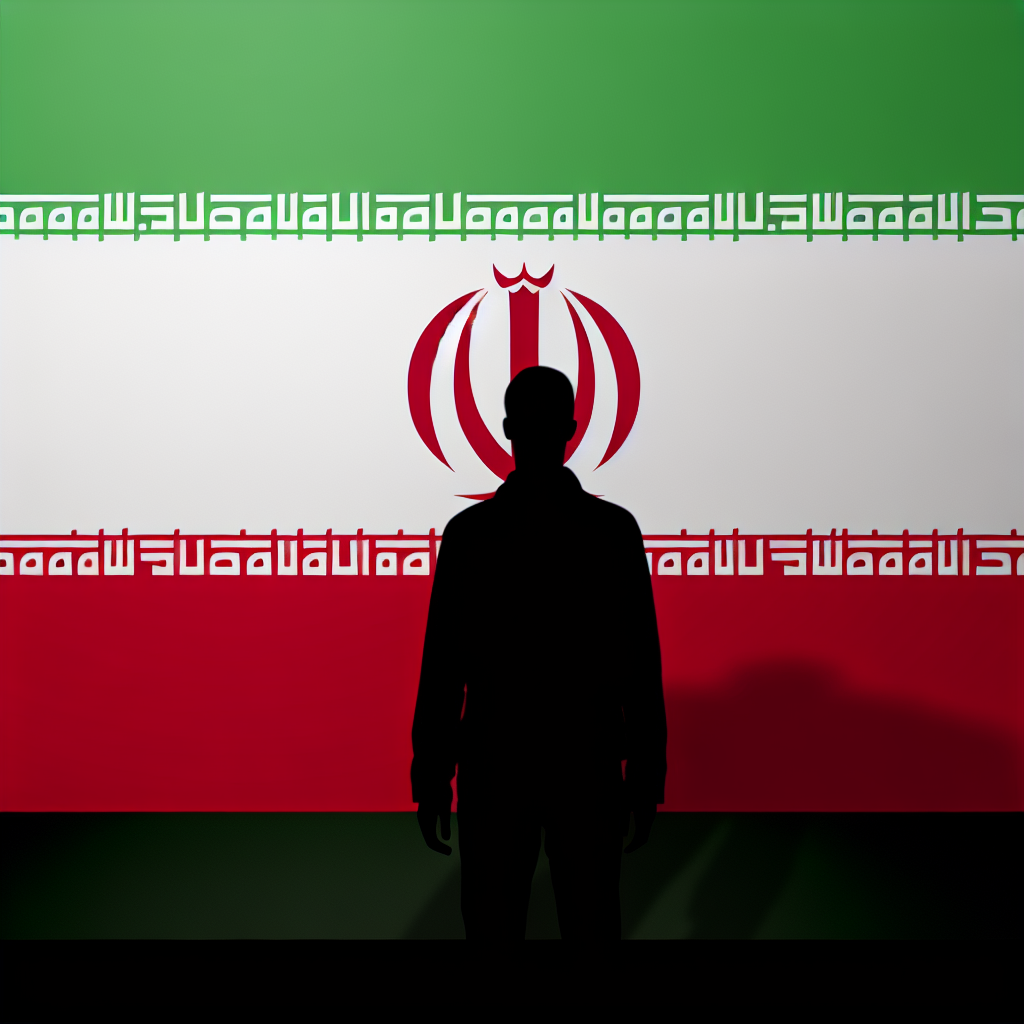
CNN appreciates hearing from you. Investigators in law enforcement are looking into whether the attack on Iran played a role in the motivations of the suspect behind a shooting in Austin's entertainment district. This shooting occurred early on a Sunday morning and resulted in two deaths and 14 injuries. While multiple law enforcement officials have been briefed on the case, they are advising caution and emphasizing that it is still too early to make any definitive conclusions.
Officials are looking into previous instances where the suspect had interactions with mental health services when he lived in Texas. The suspect, who was also killed, was found wearing a shirt with a design of the Iranian flag, according to two law enforcement sources who were informed about the attack and spoke with CNN.
Officials stated that three of the individuals who were admitted to the hospital are currently in critical condition
It is too soon to know the exact reason behind the incident, but there are signs from the individual and his vehicle that suggest a possible connection to terrorism, according to Alex Doran, who is currently serving as special agent in charge of the FBI San Antonio Division. Doran shared this information during a news briefing on Sunday morning.
A law enforcement official who is knowledgeable about the case stated that the suspected gunman is from Senegal. The man seems to have come to the United States in the early 2000s and first lived in New York. It is unknown when he moved to Texas, but the official mentioned that he had several addresses in the state.
CNN has made contact with the Austin Police Department and FBI San Antonio to gather additional information about the suspect.
The Gun Violence Archive has reported that there have been a minimum of 56 mass shootings in the United States this year. These incidents are classified as shootings where at least four individuals are injured (excluding the shooter).
Law enforcement was alerted to a report of a man firing a gun from a big SUV near Buford's Backyard Beer Garden at the intersection of West Sixth and Rio Grande streets, as stated by Austin Police Chief Lisa Davis. The SUV was observed driving around the area before the shooting incident occurred.
During the incident, he activated his hazard lights, lowered his window, and started firing a gun from his car, hitting people sitting on the bar's outdoor patio and in front of the bar, according to Davis.
The individual proceeded to head in the direction of Sixth Street driving, parked their car, and exited on foot carrying a rifle. Subsequently, they starting firing shots at pedestrians in the vicinity.
Authorities were able to quickly reach the suspect downtown on weekends as police and emergency medical teams are already stationed there, according to Davis.
According to Davis, the suspect was heading towards East Austin or East Sixth Street. Police officers were approaching the suspect, and he was shot and killed at the intersection.
Davis had informed the press that three officers exchanged gunfire with the suspect when they encountered him.
Authorities called in the bomb squad to investigate items found in the suspect's vehicle that caused alarm. Fortunately, the vehicle was deemed safe and no explosives were discovered after a quick inspection.
Davis described the incident as very sad, emphasizing that federal agencies and other support teams are assisting with the response. It will take a few hours to fully investigate the scene.
The FBI department in San Antonio that oversees the Austin region has verified that the FBI Joint Terrorism Task Force is now involved in the investigation due to uncovered evidence at the location.
Paramedics who work alongside the Austin Police Department in the entertainment district during weekends were able to quickly respond to emergencies, as reported by Robert Luckritz, the chief of Austin-Travis County Emergency Medical Services.
Luckritz stated that over 20 EMS teams arrived at the scene and were able to transport all critically injured individuals away within 24 minutes, with all patients being removed from the scene in 47 minutes.
Austin Mayor Kirk Watson expressed sympathy for the victims of the incident and thanked the public safety officers and officials for their quick response, which he believes helped prevent further casualties.
The Texas Governor, Greg Abbott, criticized the attack and instructed the Department of Public Safety to enhance patrols and the presence of law enforcement personnel in the Sixth Street area during weekends.
He stated that this act of violence will not represent us as a people, and it will also not weaken the determination of Texans.
This report was contributed to by Amanda Watts and John Miller from CNN.
This is a story that is still being worked on and will have more information
This content is copyrighted by Cable News Network in 2026, which is a part of the Warner Bros. Discovery Company. All rights are reserved. The font used is called CNN Sans and is also copyrighted by Cable
Get the CNN app by scanning the QR code and downloading it from Google Play.
Get the CNN app by downloading it. Use the QR code to access the CNN app on the Apple Store.

CNN welcomes your input.
With Ayatollah Ali Khamenei's death, there is uncertainty about who is currently leading Iran.
The assassination of Ayatollah Ali Khamenei by the United States and Israel has left a void of power within the heart of the Iranian government, leading to a difficult search for his replacement.
In almost fifty years, the Islamic Republic has only seen one change in its supreme leader. Khamenei took over from Ayatollah Ruhollah Khomeini in 1989 and did not name a successor before his death.
On Sunday, a group of three individuals was established to temporarily lead in place of Khamenei until a new successor is selected. However, with the continued US-Israeli strikes happening, it is uncertain how long this interim leadership will last.
Here is some information that you should be aware of.
Currently, a three-person leadership council is governing in Iran until a new supreme leader is appointed as per the constitution. This council consists of the president, Masoud Pezeshkian, the head of judiciary, Gholamhossein Mohseni Ejei, and a senior cleric, Alireza Arafi.
Mohammad Bagher Ghalibaf, the influential speaker of Iran's parliament, stated that the government had anticipated and made plans for the current situation.
He expressed that the creation of a leadership council would lead to a substantial increase in power and unity.
The bombing attacks on Saturday resulted in the deaths of many top military leaders in Iran, including their chief of staff, the commander of the Revolutionary Guard Corps, and the Defense Council secretary. Israel says that a large number of Iran's senior military officials were killed in the strikes.
After Khomeini passed away in 1989, Khamenei was quickly appointed as his successor without the need for a transition council. However, due to continuous US-Israeli strikes, the process of naming Khamenei's successor is expected to be delayed.
Before a permanent council is established, the current temporary council needs to choose whether to keep allowing Ali Larijani, Iran's top national security official, and Ghalibaf to make decisions regarding defense. These two men, along with Shamkhani who was a former navy rear admiral killed in recent strikes, were in charge of leading Iran's defense during the 12-day war with Israel in June.
The new leader will be chosen by a group of 88 senior clerics called the Assembly of Experts to replace Khamenei.
Every eight years, the Iranian public elects members of the Assembly of Experts, who are then scrutinized by the Guardian Council - a group of 12 legal experts that monitors the parliament's actions in Iran.
During times of stability, the Guardian Council reviews legislation from the parliament to ensure it aligns with sharia law, often requesting changes. The council also gives its approval for candidates running for parliament, the presidency, and the Assembly of Experts.
The Guardian Council has a reputation for eliminating potential candidates for the position of president. In preparation for the 2021 election, more than 600 individuals were deemed ineligible by the council, which included all female candidates and notable figures like Larijani, a high-ranking national security official.
According to Sanam Vakil, who is in charge of the Middle East and North Africa program at Chatham House, the Assembly of Experts may not meet until the US and Israel stop their activities. She stated that they cannot afford to put the institution at risk of more harm and casualties. This was mentioned during an interview with CNN.
Which individuals are competing for power?
Mojtaba, the second son of Khamenei, is an important figure who has close connections to the Islamic Revolutionary Guard Corps (IRGC) and the Basij, a volunteer paramilitary force in Iran. However, since the Shiite clerical establishment came to power by replacing the Iranian monarchy, they may not want a continuation of father-to-son succession.
Alireza Arafi, a Shiite cleric, was recently added to the transition council. He has been appointed to high-ranking positions by Khamenei and is considered a serious candidate. Arafi serves as the deputy chairman of the Assembly of Experts and is part of the Guardian Council, which allows him to approve his own candidacy. Additionally, he is in charge of Iran's seminary system.
Mohammad Mehdi Mirbagheri is a candidate for the Assembly of Experts and is aligned with the conservative section of the clerical establishment. Another candidate in the running is Hassan Khomeini, a grandson of Khomeini who is considered to be less rigid in his beliefs compared to others.
Surprises could still happen in the regime's decision-making process, such as choosing a younger or less famous individual, or even forming a leadership council instead of appointing a single person.
According to Vakil from Chatham House, the conflict between strict conservatives and reformists will likely persist even after Khamenei's passing.
She mentioned that changes in leadership often benefit conservative and security-focused groups in the beginning. Discussions about the country's future are probably taking place among a small, select group rather than in the public eye. Reform-minded politicians should seize this opportunity if they want to make a difference.
Discussing the possibility of a change in government leadership, US President Donald Trump encouraged the people of Iran to rise up against their government. In a video on Truth Social, he advised the Iranians to seize the opportunity to take control of their own government, stating it may be their only chance for many years. Trump also warned the IRGC (Islamic Revolutionary Guard Corps) to surrender their weapons or risk facing fatal consequences.
As of now, even though there have been some instances of festivities, there is not much indication that Iranians are engaging in street protests to overthrow the remaining parts of the government. Additionally, there is no evidence of high-ranking officials within the security forces defecting. Trump mentioned to CBS News that there are potential leaders who could replace the current regime, although he did not specify who they are.
Reza Pahlavi, the oldest son of the former shah of Iran who was removed from power during the 1979 revolution, is being considered as a possible future leader. Pahlavi was only 16 years old when his father was overthrown, and he has been residing in the United States ever since. Some analysts believe that he may have support from Israel.
However, a hindrance is the absence of a replacement force ready to assume control in Iran, as noted by David Petraeus, a retired General in the US Army and former Director of the CIA.
According to Petraeus, the difficulty lies in the fact that there is no prominent leader like Ahmed al-Sharaa in Syria, who had a strong military force and was able to overthrow the weakened regime of Bashar al-Assad in 2024.
Robin Wright, a writer for the New Yorker, has spoken with Khamenei, and she mentioned to CNN that Iran has many young leaders like Nelson Mandela, but lacks a well-established organization like the African National Congress in South Africa. Unlike South Africa, Iran has not had the time to form a strong infrastructure, define an alternative to their current system, or determine who would lead such a movement.
In Iran currently, power is expected to be wielded by the IRGC, as many leaders in the country have been removed. The IRGC has been supporting the regime for many years and is accountable only to the supreme leader. Their role includes not only fighting external threats but also maintaining control within Iran.
The IRGC's influence goes beyond just its military strength. A lot of Iran's wealthy individuals, who have profited from having access to the government's centers of authority during times of sanctions, have key roles within the IRGC. This could give the IRGC substantial power in the selection of the next supreme leader.
The IRGC, also known as the Islamic Revolutionary Guard Corps, was formed to protect the Islamic revolution and the government that resulted from it. Several paramilitary groups that were involved in overthrowing the shah of Iran came together to form the IRGC after 1979. Despite early efforts to integrate it into the national army, the IRGC solidified its influence during its participation in the Iran-Iraq War in the 1980s.
Currently, the military force consists of approximately 150,000 to 190,000 soldiers. It includes branches such as the army, navy, air force, and intelligence division, and it has integrated into various sectors of Iran's economy.
Despite the assumption that numerous high-ranking officials of the organization were killed in the recent attacks, the IRGC continues to be in charge of the Basij, a group that functions similar to a local law enforcement agency by patrolling the streets and handling domestic matters.
The Basij, a volunteer group, is named after the meaning "mobilization" in Farsi. It recruits members from different parts of the country, particularly those from lower-income and more traditional backgrounds. Their main roles include supporting the government and promoting Islamic values in society.
In a time of great danger, the Iranian government is working swiftly and secretly to maintain unity and show that they are still operating smoothly, according to Vakil from Chatham House. It is uncertain if their actions will be effective.
Leila Gharagozlou from CNN provided information for this report.
The content belongs to Cable News Network, which is a subsidiary of Warner Bros. Discovery Company. All rights are reserved. The typeface used is CNN Sans, which is copyrighted by Cable News Network in 2016
Get the CNN app by scanning the QR code to download it from Google Play store.
Get the CNN app by scanning the QR code provided to download it from the Apple Store.

$4.3 million on Bill 124 legal costs. $48 million on ripping out Toronto bike lanes. $103.5 million on government ads. One of these governments loves telling you there is no money.West End Phoenix put together a Ford-era “Dirty Dozen” carousel comparing what the province spent on political choices versus what that same money could have covered in public services. In the slides you attached, the tradeoffs are the whole point: money spent fighting nurses in court, money spent on ad campaigns, money spent speeding up booze sales, and money spent on an early election that nobody outside Queen’s Park was exactly begging for. (West End Phoenix)And look, not every item belongs in the exact same bucket. Cutting a fee is not identical to cutting a cheque. Canceling a program is not identical to moving a building. Fine. But the broader story still lands. Ford’s government keeps finding billions for ideology, branding, and pet projects while hospitals, schools, housing, and transit are told to be patient. Again. (West End Phoenix)That is the actual Ontario model here. There is always money for the splashy announcement, the culture-war flex, or the thing that looks good in a campaign ad. The shortage only appears when the ask is a family doctor, a nurse, a teacher, affordable housing, or basic public infrastructure.This is not a province that cannot afford better priorities. It is a province being run by a government with very weird ones.— Marcus | The Headline Lab#onpoli #cdnpoli #TheHeadlineLab #DougFord #Ontario

1 CommentsComment on Facebook
Canadian Police chiefs: No ‘imminent threat’ to Canada amidst fallout of U.S. attack on Iran

Investigation Into Austin Shooting Suspect’s Motivation and Background: Potential Ties to Iran Strike and Mental Health Encounters Explored

Navigating the Power Vacuum: Who Will Succeed Ayatollah Ali Khamenei in Iran?
Investigation Into Austin Shooting Suspect’s Motivation and Background: Potential Ties to Iran Strike and Mental Health Encounters Explored
Navigating the Power Vacuum: Who Will Succeed Ayatollah Ali Khamenei in Iran?

Unraveling the Testimony: Bill Clinton’s Denial of Wrongdoing in House Epstein Probe
-
 Politics2 months ago
Investigation Into Austin Shooting Suspect’s Motivation and Background: Potential Ties to Iran Strike and Mental Health Encounters Explored
-
 Politics2 months ago
Navigating the Power Vacuum: Who Will Succeed Ayatollah Ali Khamenei in Iran?
- Politics2 months ago
Canadian Police chiefs: No ‘imminent threat’ to Canada amidst fallout of U.S. attack on Iran
-

 Politics2 months ago
Navigating the Power Vacuum: The Complex Process of Choosing Iran’s New Supreme Leader